Creamy Garlic Pasta is a practical recipe built around balanced flavor, dependable timing, and a method that fits a home kitchen. The ingredient list centers on 1 cup heavy cream, 1/3 cup mascarpone cheese, 1/4 cup shredded Asiago cheese. Each component has a clear job, whether it builds the main flavor, controls moisture, or finishes the dish with contrast. The result serves about 4 and takes roughly 22 minutes from start to finish.
This version keeps the process organized so the texture stays consistent from the first serving to the last. Read through the steps before starting, measure the ingredients, and prepare the pan or appliance in advance. Small details such as even cuts, moderate heat, and a short rest make a noticeable difference without adding complicated work.
Why Creamy Garlic Pasta Works
The strength of this creamy garlic pasta comes from layering flavor rather than relying on one heavy seasoning. Accurate measurements keep the texture in balance, while the stated cooking time provides a useful checkpoint instead of a rigid promise. Use visual cues and temperature where appropriate, because cookware and ingredient size can change the exact finish time.
What to Measure Before You Start
- 1 cup heavy cream
- 1/3 cup mascarpone cheese
- 1/4 cup shredded Asiago cheese
- 6 large cloves of garlic (minced)
- 8 ounces fettuccine
- 1 tablespoon chopped parsley
- 2 tablespoons unsalted butter
- 1/2 teaspoon black pepper
- 1 teaspoon kosher salt
Measure everything before cooking and keep the ingredient amounts unchanged on the first attempt. If a substitution is necessary, replace only one item at a time and choose something with a similar moisture and fat level. That approach protects the structure of creamy garlic pasta and makes the result easier to judge.
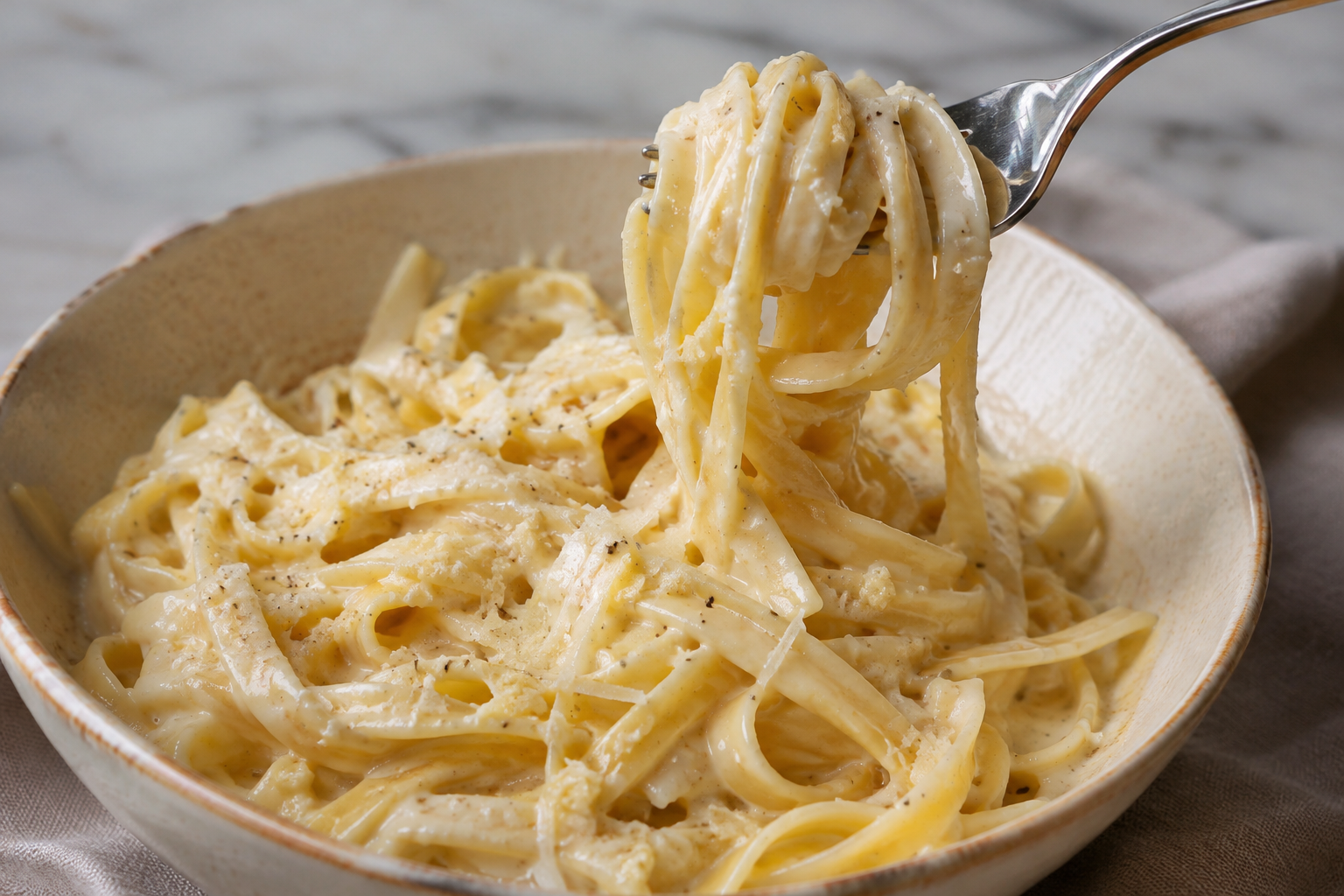
How to Make Creamy Garlic Pasta
- Boil the pasta for two minutes less than what's recommended on the package. While the pasta is boiling, make the sauce.
- Melt the butter in a large pan over medium heat. Place the garlic and cook it for two to three minutes.
- Add the cream and whisk the cream and butter together. Once the cream is steaming hot, add the mascarpone cheese.
- Continue whisking until it has melted into the cream mixture. Add the Asiago cheese, salt, pepper, and parsley.
- Continue whisking until the sauce is smooth and creamy. Add the cooked pasta and stir it into the sauce for two minutes, constantly stirring.
- The sauce will thicken as you stir. Once it's thickened, it's ready to serve.
Practical Tips for a Reliable Result
For the best texture, avoid crowding the pan or appliance and give the food enough space to heat evenly. Stir, turn, or rotate only when the method calls for it. Too much handling can release moisture, break delicate pieces, or prevent browning. Taste near the end and adjust salt gradually rather than seasoning aggressively at the start.
Use clean utensils, avoid cross-contamination, and chill leftovers within two hours.
Make-Ahead, Serving, and Leftovers
Serve creamy garlic pasta with simple sides that do not compete with its main flavor. A crisp salad, roasted vegetables, bread, rice, or fresh fruit can round out the plate depending on the recipe. For a gathering, keep garnishes separate until serving so the finished dish retains its intended texture.
Refrigerate leftovers in an airtight container for up to 4 days. Reheat covered in a 325°F oven or in short microwave intervals until hot throughout. Cool leftovers promptly and use shallow containers when the dish is warm so it chills evenly. Label the container with the date, and discard food that has been left at room temperature for more than two hours.
Keep the pieces of creamy garlic pasta as even as possible so they finish at the same rate. A sharp knife and a stable cutting board improve both speed and consistency.
Let aroma, color, and texture guide the final minutes. If creamy garlic pasta needs more time, continue in short intervals and check again rather than adding one long block of cooking.
Use the equipment size listed in the recipe. A vessel that is too small traps steam, while one that is too large can make sauces reduce before the main ingredients are ready.
When adjusting seasoning, taste a small portion with all the components together. One element may seem mild alone but become balanced once the full dish is assembled.
Prepare a clean landing area before the final step. Moving creamy garlic pasta directly to a suitable platter, rack, or serving bowl protects its texture and keeps the work area organized.
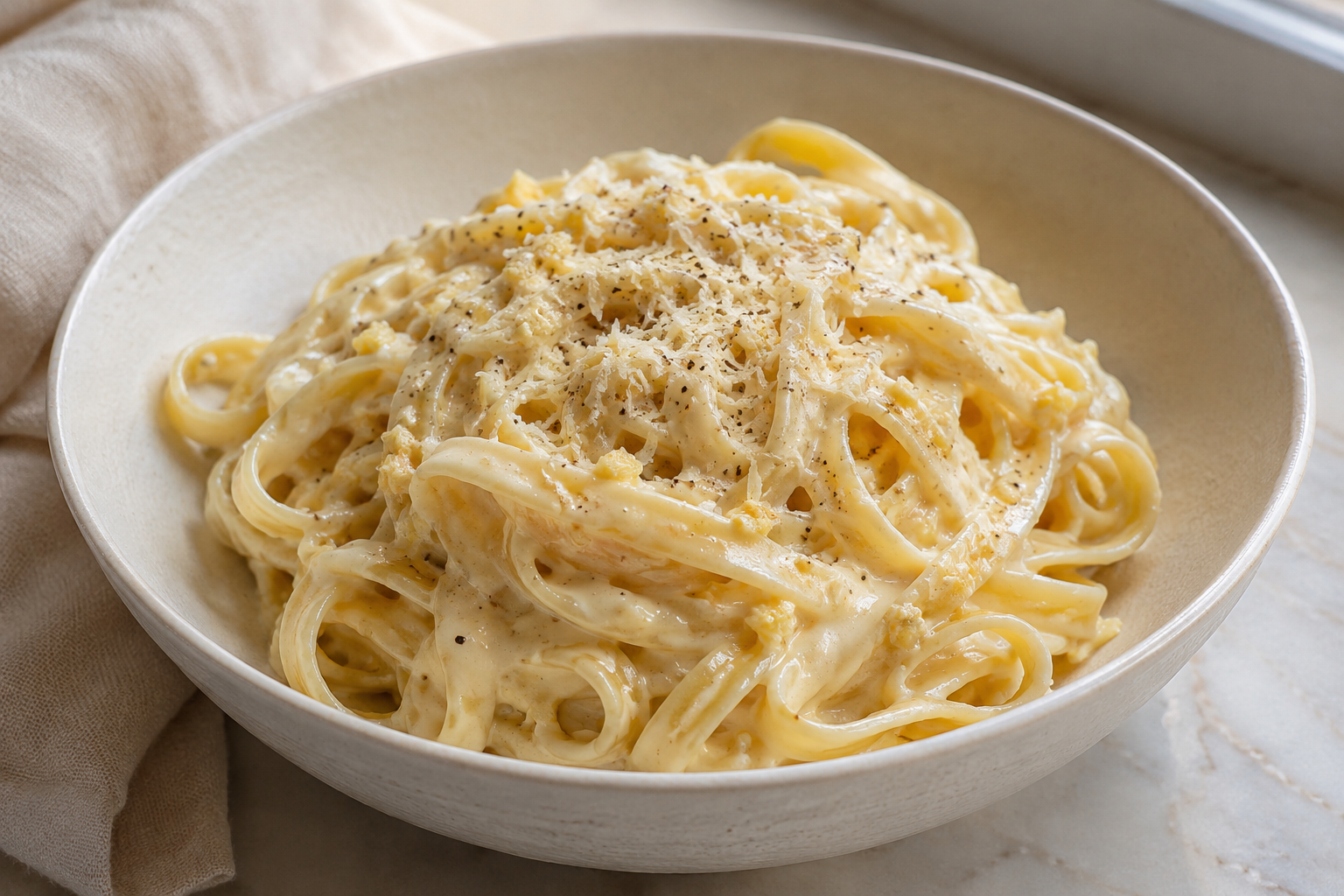

Creamy Garlic Pasta
Ingredients
Equipment
Method
- Boil the pasta for two minutes less than what’s recommended on the package. While the pasta is boiling, make the sauce.
- Melt the butter in a large pan over medium heat. Place the garlic and cook it for two to three minutes.
- Add the cream and whisk the cream and butter together. Once the cream is steaming hot, add the mascarpone cheese.
- Continue whisking until it has melted into the cream mixture. Add the Asiago cheese, salt, pepper, and parsley.
- Continue whisking until the sauce is smooth and creamy. Add the cooked pasta and stir it into the sauce for two minutes, constantly stirring.
- The sauce will thicken as you stir. Once it’s thickened, it’s ready to serve.
Notes
FAQ
Can I prepare creamy garlic pasta ahead of time?
Yes. Complete the advance steps described in the method, refrigerate safely, and finish any crisp or fresh elements close to serving.
What is the best way to avoid a dry result?
Use the timing as a guide, check early, and stop cooking when the visual and temperature cues are reached. Rest the food before serving when appropriate.
Can I double the recipe?
Usually, but use a larger cooking vessel or work in batches. Crowding changes heat circulation and may extend the cooking time.
How should leftovers be stored?
Refrigerate leftovers in an airtight container for up to 4 days.
Can this recipe be frozen?
Freeze only if the main ingredients tolerate freezing. Cool completely, wrap airtight, thaw in the refrigerator, and expect delicate fresh textures to soften.
What can I serve with it?
Choose a simple side with contrasting texture, such as vegetables, salad, rice, bread, or fruit, and keep the portion balanced for the meal.